
Overview

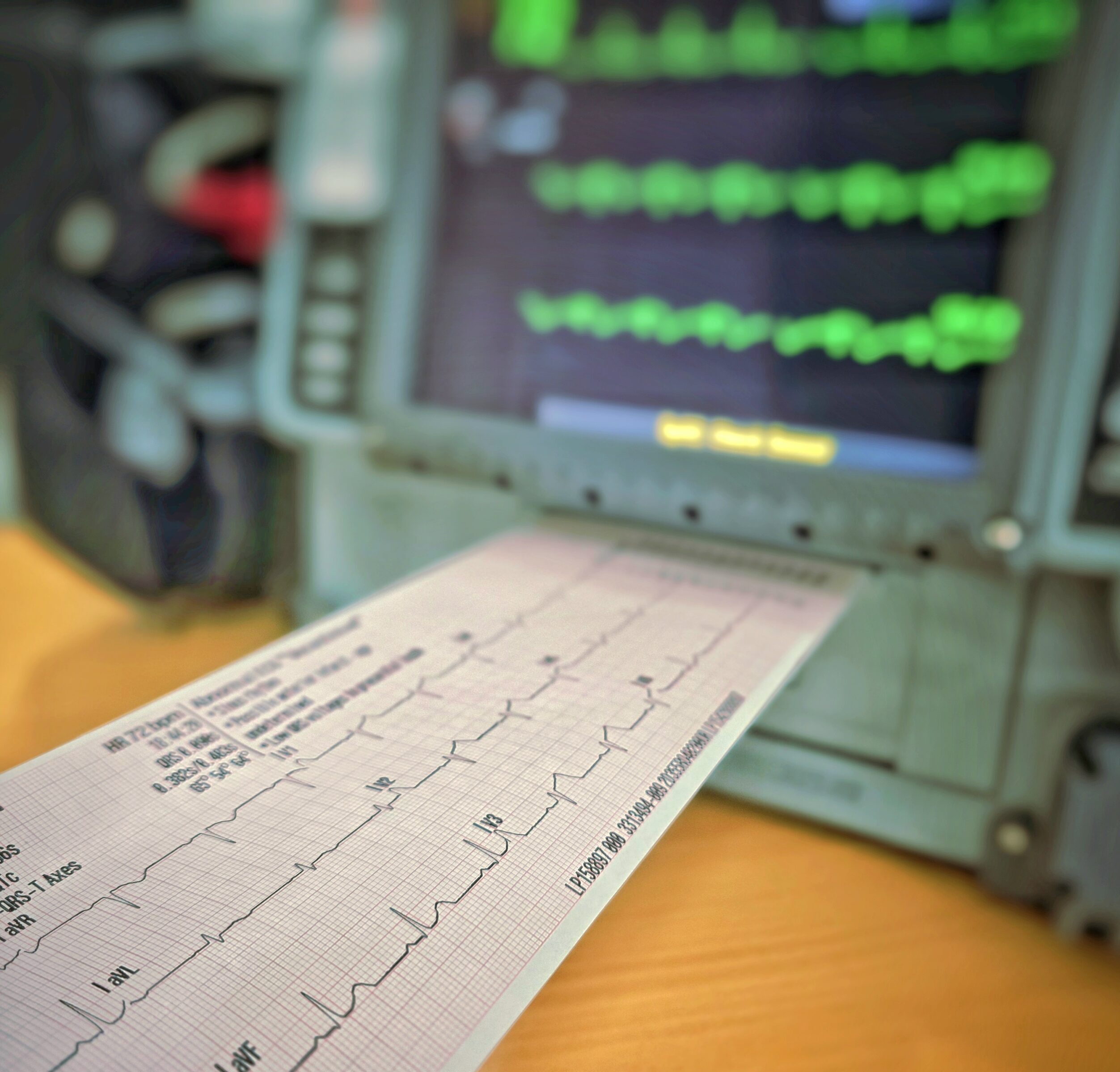
Gain the practical skills and confidence to correctly perform and record a 12-lead electrocardiogram (ECG) in clinical and workplace settings.
This nationally recognised course equips participants with the knowledge and hands-on ability to prepare patients, apply electrodes accurately, operate ECG equipment, obtain clear tracings, and recognise when results require urgent escalation to a clinician.
Accurate ECG acquisition is critical for identifying cardiac abnormalities and supporting timely clinical decision-making. This course focuses on doing the fundamentals correctly, safely, and consistently in line with infection control, patient care standards, and workplace procedures.
This course is ideal for:
- Health care workers and clinical support staff
- First responders and emergency care personnel
- Workplace medical and response teams
- Personnel working in remote, industrial, mining, or high-risk environments where cardiac monitoring may be required
Learning outcomes
The course covers the following:
- WHS, legal and ethical requirements and safe operational procedures
- Anatomy and physiology of the heart
- Normal and abnormal ECG rhythms
- Infection control procedures
- Use of ECG machine including settings and preparation of ECG leads
- Skin preparation
- Electrode placement and lead attachment
- Produce and record trace for interpretation
- ECG lead and electrode removal procedures
- Waste management procedures
Entry Requirements
Participants must:
- Provide photo I.D on entry
- Unless exempt, provide a verifiable USI number
- Be physically fit and healthy with capacity to perform manual tasks
- Be able to read, write, communicate orally, and understand and interpret complex information and situations
- Interact with others and work under pressure
- Dress appropriately i.e., long sleeve, long pants or overalls, safety boots/closed in shoes, safety glasses
Please ensure you read our Student Handbook for further information on our policies, procedures, terms, and program conditions.
SDS is committed to identifying and supporting the language, literacy, numeracy and digital (LLND) needs of all learners. Where required, SDS may conduct an LLND assessment prior to training to determine whether any additional support or reasonable adjustment is needed.
Participants are encouraged to advise the training team at any time if they believe they may require learning support so appropriate arrangements can be made.
Delivery method
This course is delivered over four (4) hours and consists of classroom-based theory learning with practical based activities.
Assessments
Assessment includes written and/or multiple-choice knowledge assessment and practical based skills assessments.
Completion
On successful completion participants will receive a nationally recognised statement of attainment for:
- HLTCAR004 Perform electrocardiography (ECG)
Skills maintenance
There is no legislated expiry for this unit, industry best practice recommends refresher training every two (2) years to maintain competence and familiarity with current standards and procedures.