
Overview

This course is designed for personnel who form part of a site-based Emergency Response Team (ERT) and require the skills and knowledge to perform team-based fire operations safely, effectively, and efficiently.
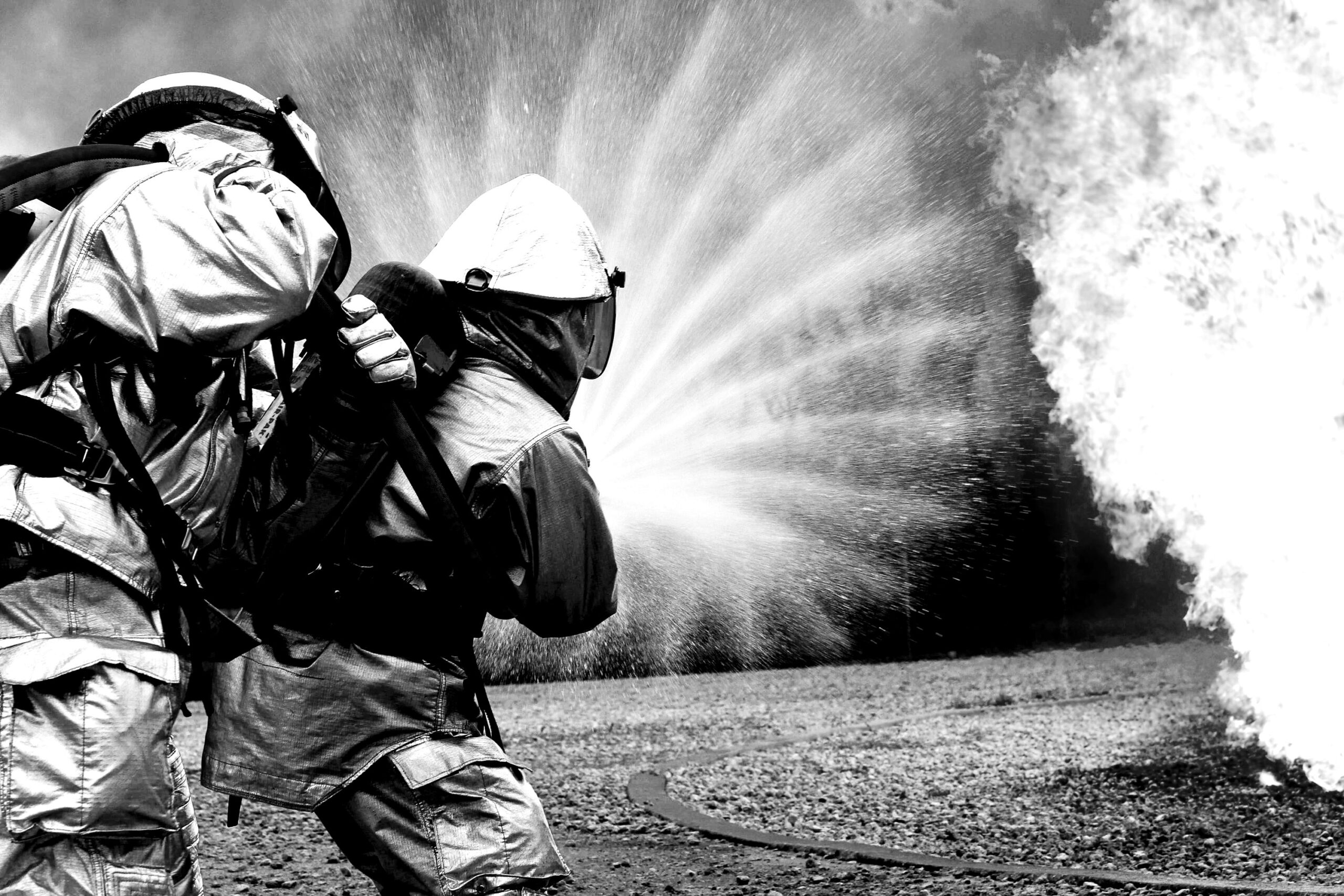
Participants develop the capability to respond to local emergencies, prepare and maintain response equipment, and work as a coordinated fire team using hoses, hydrants, branches, breathing apparatus, and a fire appliance in realistic live-fire environments.
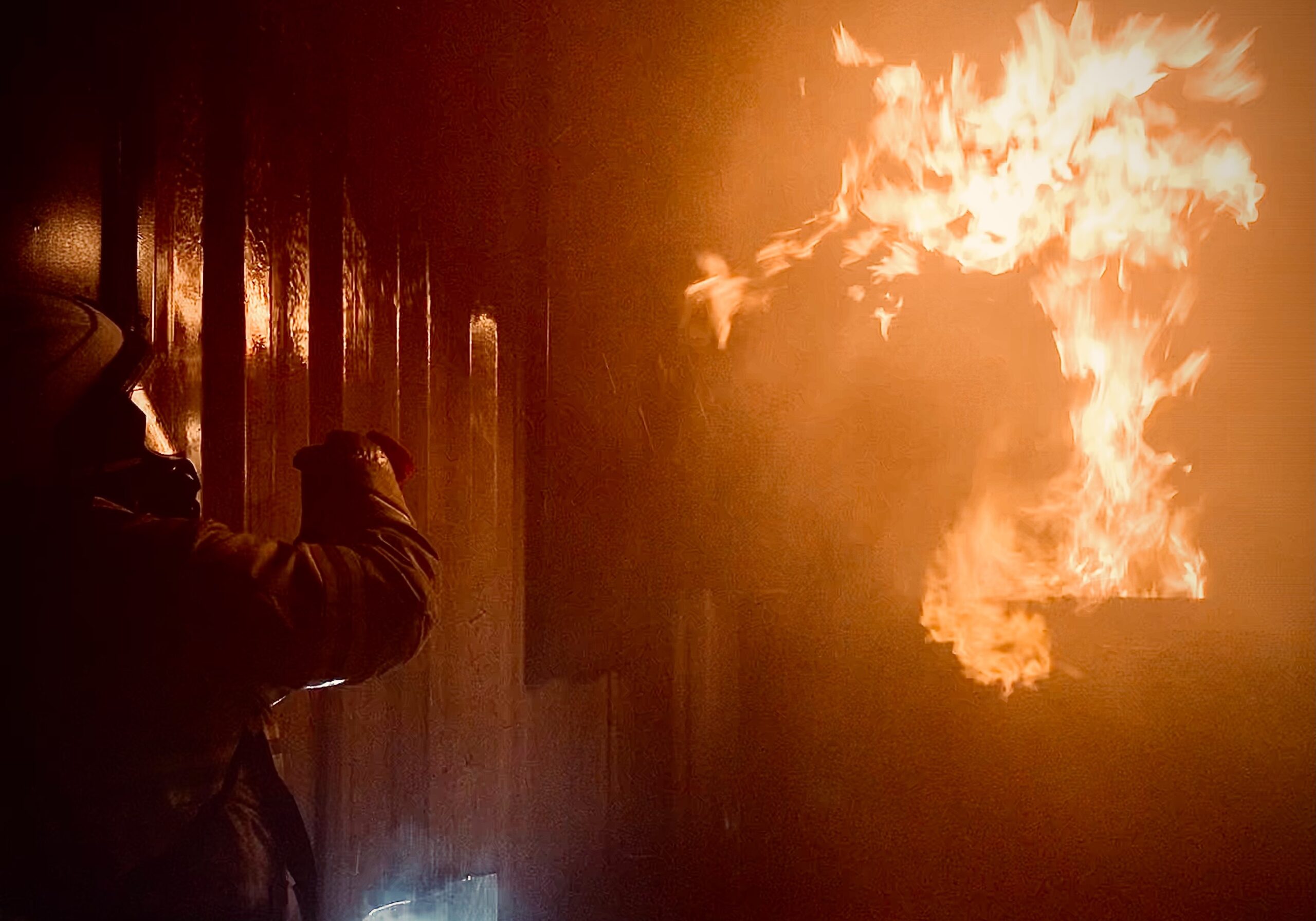
This course involves live fire scenarios and realistic emergency conditions.
Participants will be required to:
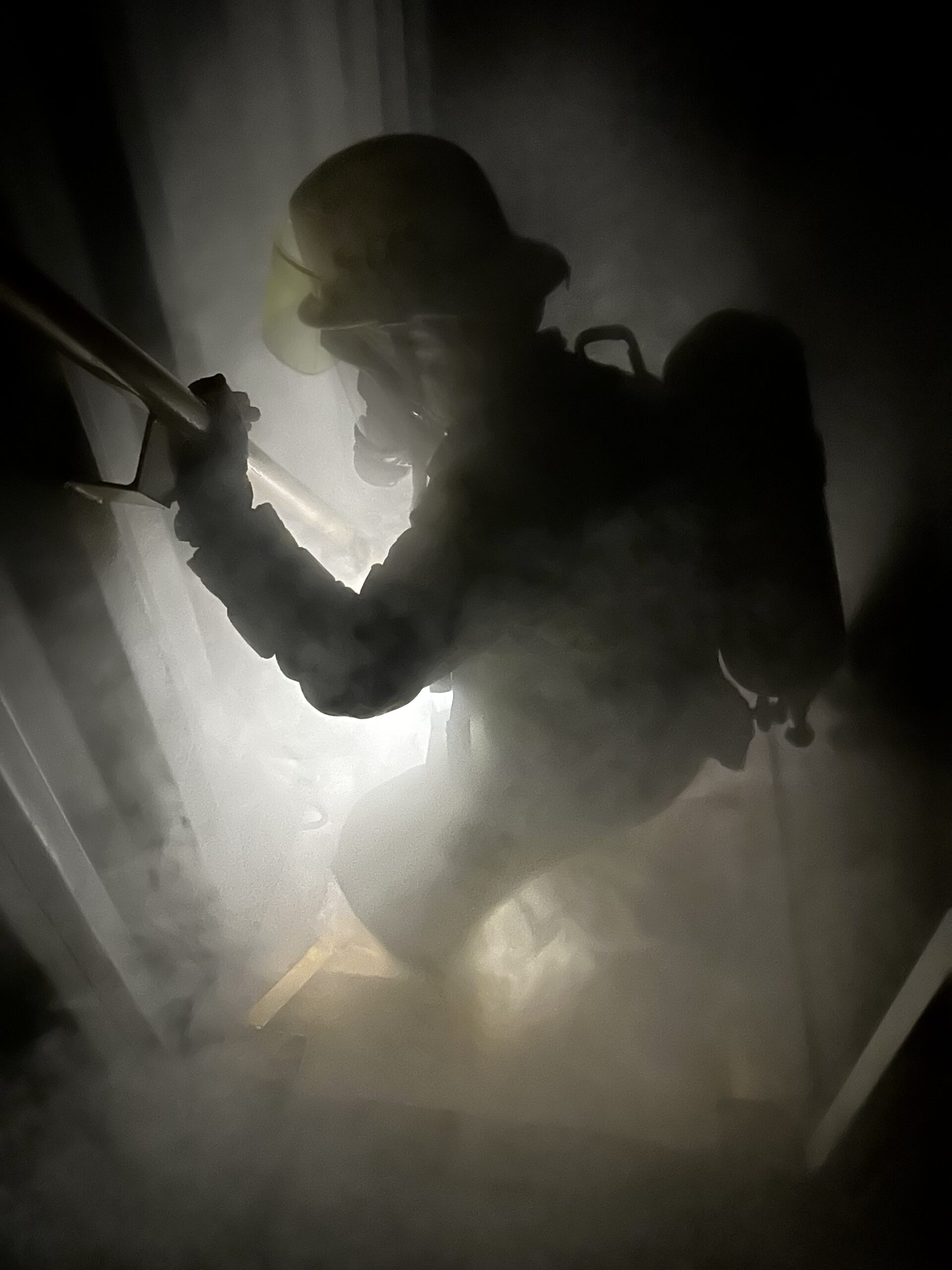
Wear Level 2 firefighting PPE, structural firefighter helmet, and breathing apparatus
Deploy and manage fully charged fire hoses weighing up to 100 kg at full charge
Operate in hot, smoke-filled structures
Undertake search and rescue of casualties weighing 50 kg or more
The course is fast-paced and physically demanding. A reasonable level of health and fitness is required. Participants must remain focused at all times and follow all trainer and assessor instructions to ensure safety.
This course is suitable for:
Emergency Response Team (ERT) members
Industrial fire response personnel
Workers responsible for site-based emergency response in high-risk industries
Mining, oil & gas, utilities, processing, and heavy industrial workplaces
Learning outcomes
This course covers the following topics:
- Legislative requirements
- Understand fire behaviour and spread
- Causes, characteristics, hazards and responses to types of fire
- Site gases and characteristics
- Critical situation dynamics and control
- Firefighting strategies and techniques
- Appliance and equipment selection, use, maintenance and cleaning
- Procedures to safely respond to a fire
- Safe operational procedures on the fireground
- Avoiding fire recurrence
- Decision making and troubleshooting techniques
- Post incident record keeping and debriefing
Entry Requirements
Participants must:
- Hold and provide a current Statement of Attainment for PUAFIR207 Operate breathing apparatus open circuit or equivalent
- Be clean shaven to ensure facial seal of respirators as per AS/NZS 1715
- Provide photo I.D on entry
- Unless exempt, provide a verifiable USI number
- Be physically fit and healthy with capacity to perform manual tasks
- Be able to read, write, communicate orally, and understand and interpret complex information and situations
- Be able to interact with others and work under pressure
- Dress appropriately i.e., long sleeve, long pants or overalls, safety boots/closed in shoes, safety glasses
Please ensure you read our Student Handbook for further information on our policies, procedures, terms, and program conditions.
SDS is committed to identifying and supporting the language, literacy, numeracy and digital (LLND) needs of all learners. Where required, SDS may conduct an LLND assessment prior to training to determine whether any additional support or reasonable adjustment is needed.
Participants are encouraged to advise the training team at any time if they believe they may require learning support so appropriate arrangements can be made.
Delivery method
This course is delivered over three (3) days and consists of classroom-based theory learning with practical based activities.
Assessments
Assessment includes written and/or multiple-choice knowledge assessment and practical based skills assessments.
Completion
On successful completion of all assessment requirements participants will receive a Nationally Recognised Statement of Attainment for:
- RIIERR201E Conduct Fire Team Operations
- RIIERR302E Respond to local emergencies and incidents
- PUAEQU001 Prepare, Maintain and Test Response Equipment
Skills maintenance
There is no legislated expiry for this unit, industry best practice recommends refresher training every two (2) years to maintain competence and familiarity with current standards and procedures.