
Overview

Small fires can escalate in seconds. Knowing how to respond quickly and correctly can prevent serious damage, injury, and business disruption.
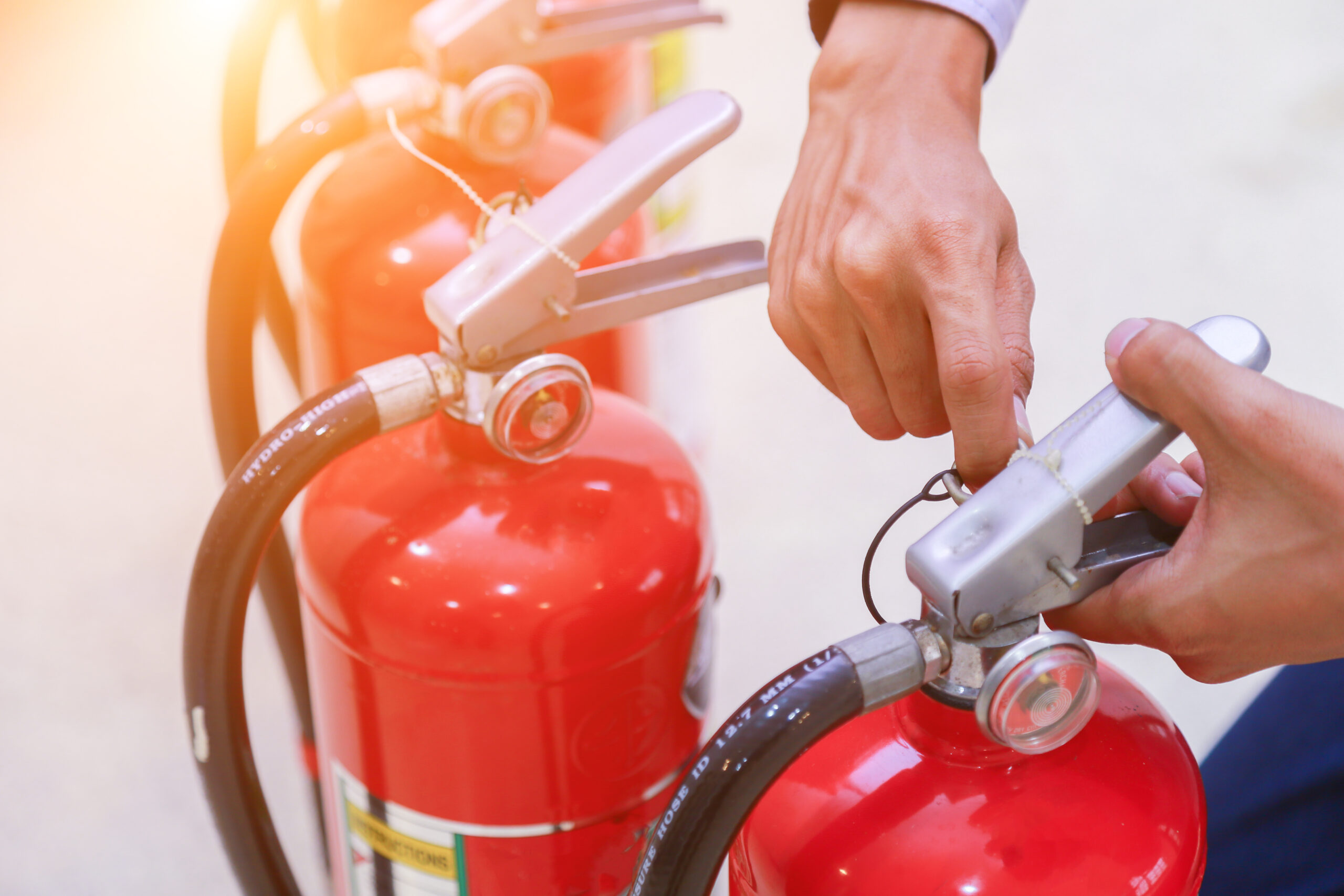
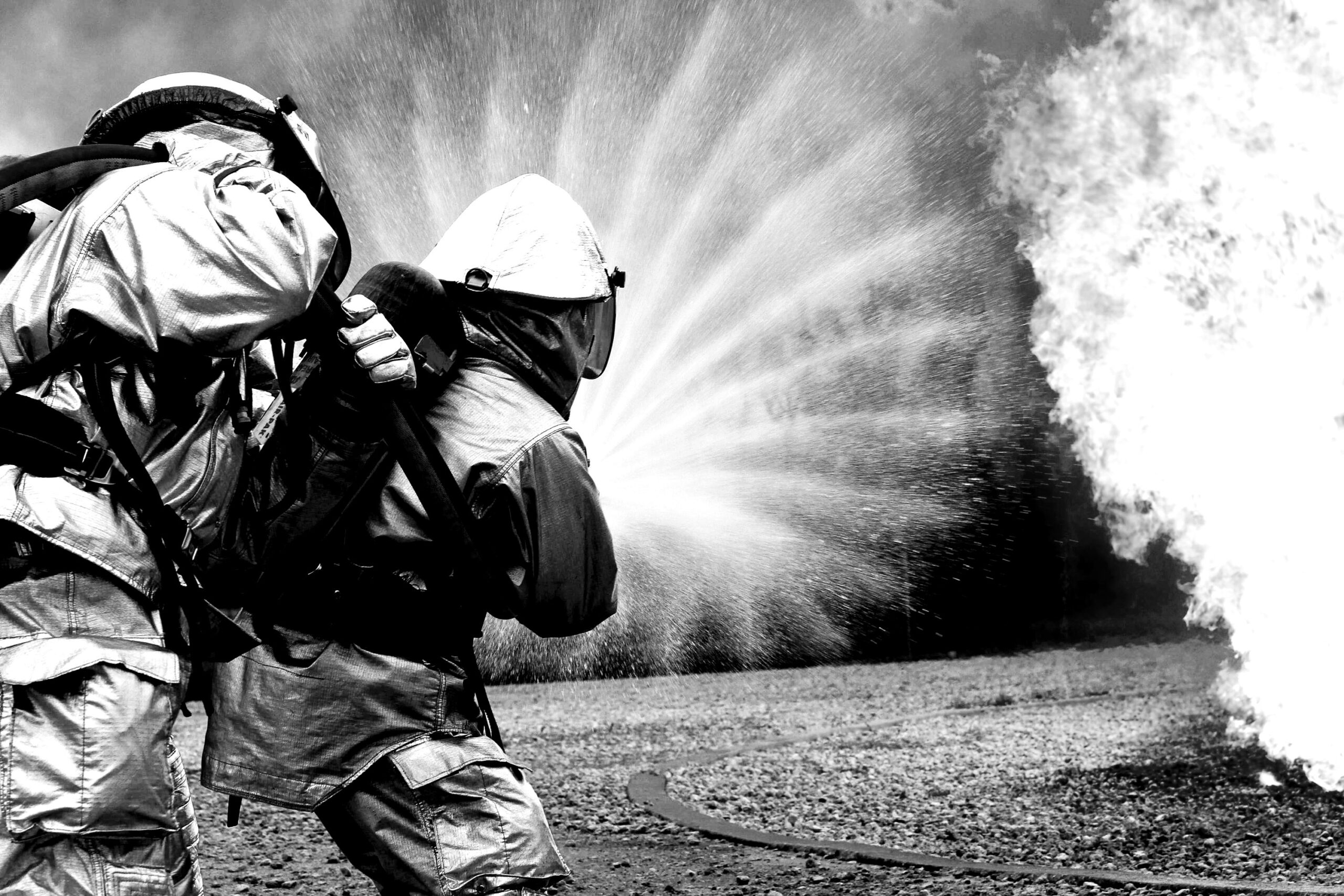
This nationally recognised course provides participants with the practical skills and knowledge to identify fire types, select the correct first attack firefighting equipment, and use it safely and effectively in the early stages of a fire emergency.
The focus is on safe decision-making, understanding fire behaviour, and confidently operating equipment such as extinguishers, fire blankets, and hose reels in line with workplace procedures and WHS requirements.
Incorrect use of firefighting equipment can make a fire worse or place the operator at risk. This course builds the confidence to act quickly, choose correctly, and respond safely when a fire first starts.
This course is ideal for:
Workplace fire wardens and safety personnel
Employees working in offices, warehouses, workshops, kitchens, and industrial sites
Anyone responsible for responding to small workplace fires in their early stages
Learning outcomes
The course covers the following:
- The theory of fire, including the triangle of combustion
- Classes of fire
- Extinguisher identification and types
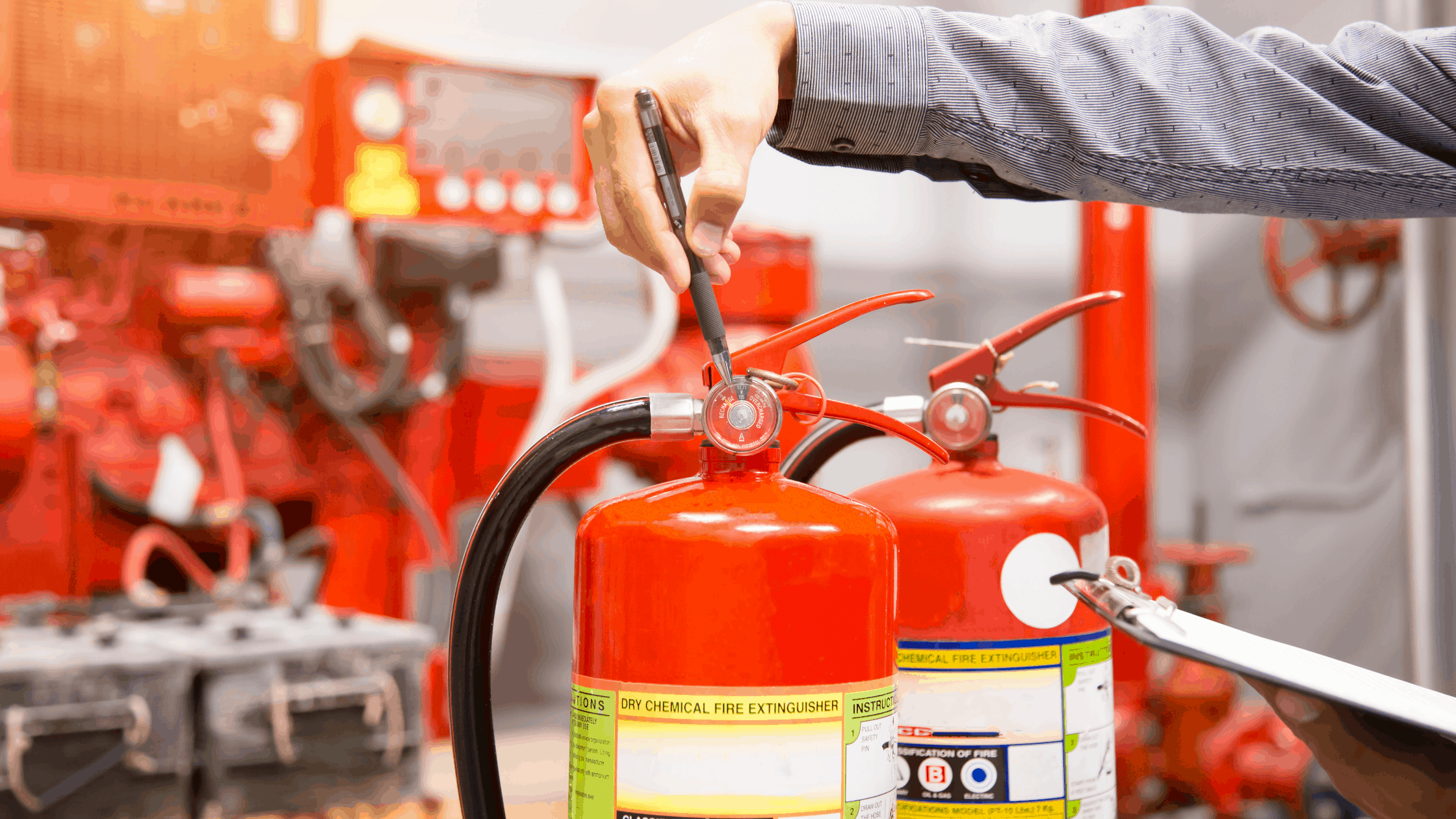
- Correct use of first attack fire equipment, including fire blankets, extinguishers and hose reels
- The implications of incorrect use of fire extinguishers and hose reels on classes of fire
- Fire emergency actions
Entry Requirements
Participants must:
- Provide photo I.D on entry
- Unless exempt, provide a verifiable USI number
- Be physically fit and healthy with capacity to perform manual tasks
- Be able to read, write, communicate orally, and understand and interpret complex information and situations
- Be able to interact with others and work under pressure
- Dress appropriately i.e., long sleeve, long pants or overalls, safety boots/closed in shoes, safety glasses
Please ensure you read our Student Handbook for further information on our policies, procedures, terms, and program conditions.
SDS is committed to identifying and supporting the language, literacy, numeracy and digital (LLND) needs of all learners. Where required, SDS may conduct an LLND assessment prior to training to determine whether any additional support or reasonable adjustment is needed.
Participants are encouraged to advise the training team at any time if they believe they may require learning support so appropriate arrangements can be made.
Delivery method
This course is delivered over half a day and consists of classroom-based theory learning with practical based activities.
Assessments
Assessment includes written and/or multiple-choice knowledge assessment and practical based skills assessments.
Completion
On successful completion of all assessment requirements participants will receive a Nationally Recognised Statement of Attainment for:
- CPPFES2005 Demonstrate first attack fire fighting equipment
Skills maintenance
There is no legislated expiry for this unit, industry best practice recommends refresher training every two (2) years to maintain competence and familiarity with current standards and procedures.