
Overview

The first few minutes of a fire emergency are critical. Knowing how to respond quickly, safely, and correctly can prevent escalation, protect people, and reduce damage to plant and property.
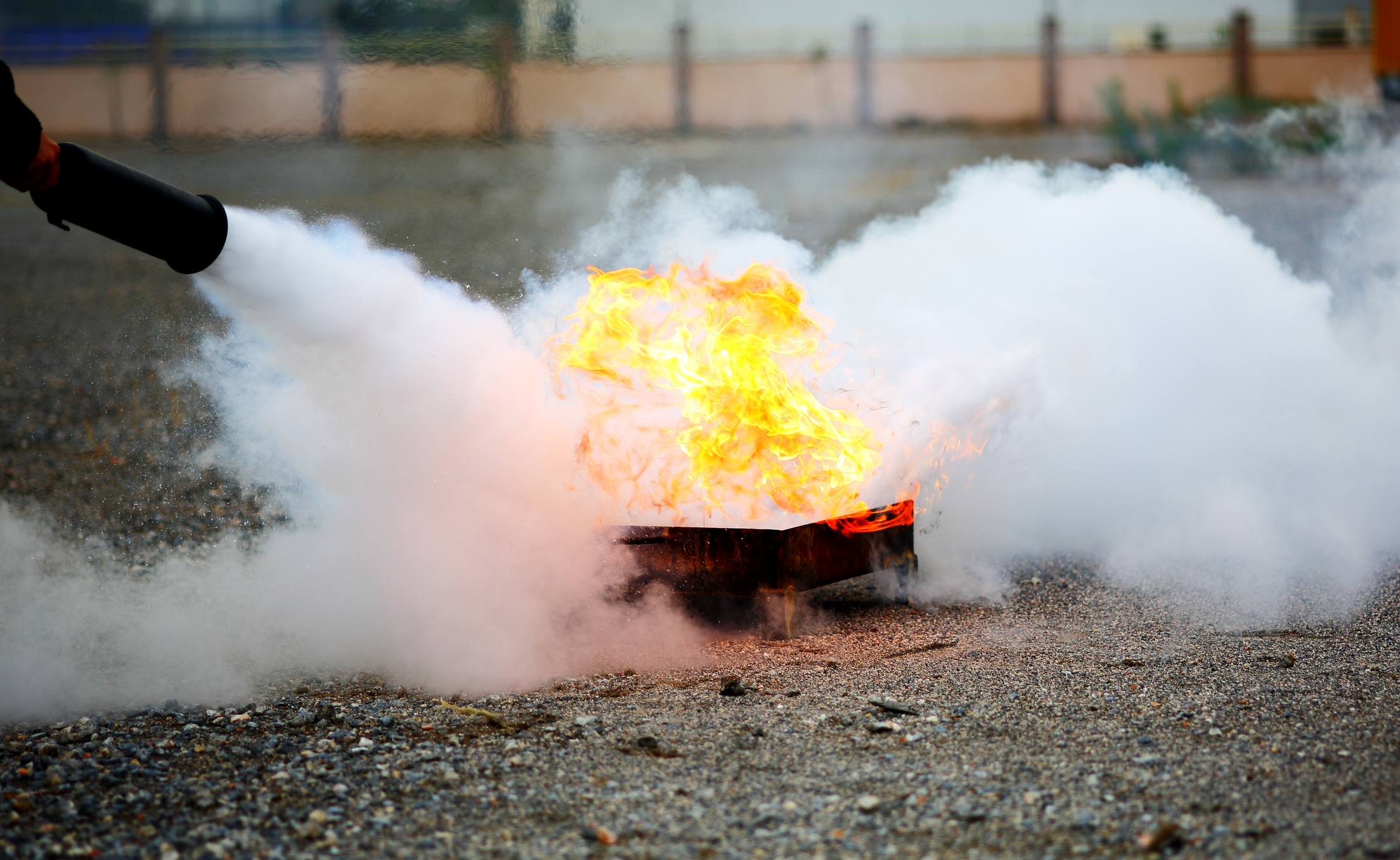
This nationally recognised course provides participants with the skills and knowledge required to undertake a first response to non-aggressive fire incidents and operate effectively as part of the Emergency Control Organisation (ECO). Participants develop an understanding of their responsibilities across pre-emergency, emergency, and post-emergency actions within the workplace.
The focus is on recognising fire hazards, raising the alarm, coordinating emergency actions, and safely using first response firefighting equipment when appropriate.
This course is suitable for:
Emergency Control Organisation (ECO) members
Fire wardens and emergency wardens
Safety and operations personnel
Workers in industrial, manufacturing, processing, and high-risk environments
Learning outcomes
This course covers the following topics:
- Legislation overview and duty of care
- Undertake pre-emergency planning.
- Identify fire emergencies and raise alarm
- Respond to emergency reports, signals and warnings
- Initiate and control initial emergency response, including evacuation
- Operating basic firefighting equipment
- Assist with post emergency response activities such as safe re-entry processes and reporting
Entry Requirements
Participants must:
- Provide photo I.D on entry
- Unless exempt, provide a verifiable USI number
- Be physically fit and healthy with capacity to perform manual tasks
- Be able to read, write, communicate orally, and understand and interpret complex information and situations
- Interact with others and work under pressure
- Dress appropriately i.e., long sleeve, long pants or overalls, safety boots/closed in shoes, safety glasses
Please ensure you read our Student Handbook for further information on our policies, procedures, terms, and program conditions.
SDS is committed to identifying and supporting the language, literacy, numeracy and digital (LLND) needs of all learners. Where required, SDS may conduct an LLND assessment prior to training to determine whether any additional support or reasonable adjustment is needed.
Participants are encouraged to advise the training team at any time if they believe they may require learning support so appropriate arrangements can be made.
Delivery method
This course is delivered over one (1), ten (10) hour day and consists of classroom-based theory learning with practical based activities.
This course is currently offered on a public scheduled basis at our Darwin facility only.
Assessments
Assessment includes written and/or multiple-choice knowledge assessment and practical based skills assessments.
Completion
On successful completion participants will receive a statement of attainment for:
- MSMWHS212 Undertake first response to fire incidents
Skills maintenance
To ensure your skills and knowledge are maintained it is critical you undertake regular skills maintenance training. Where there is no licence or legislated expiry the industry standard for skills maintenance is every two (2) years.