
Overview

Keep your cannulation skills sharp, safe, and clinically current.
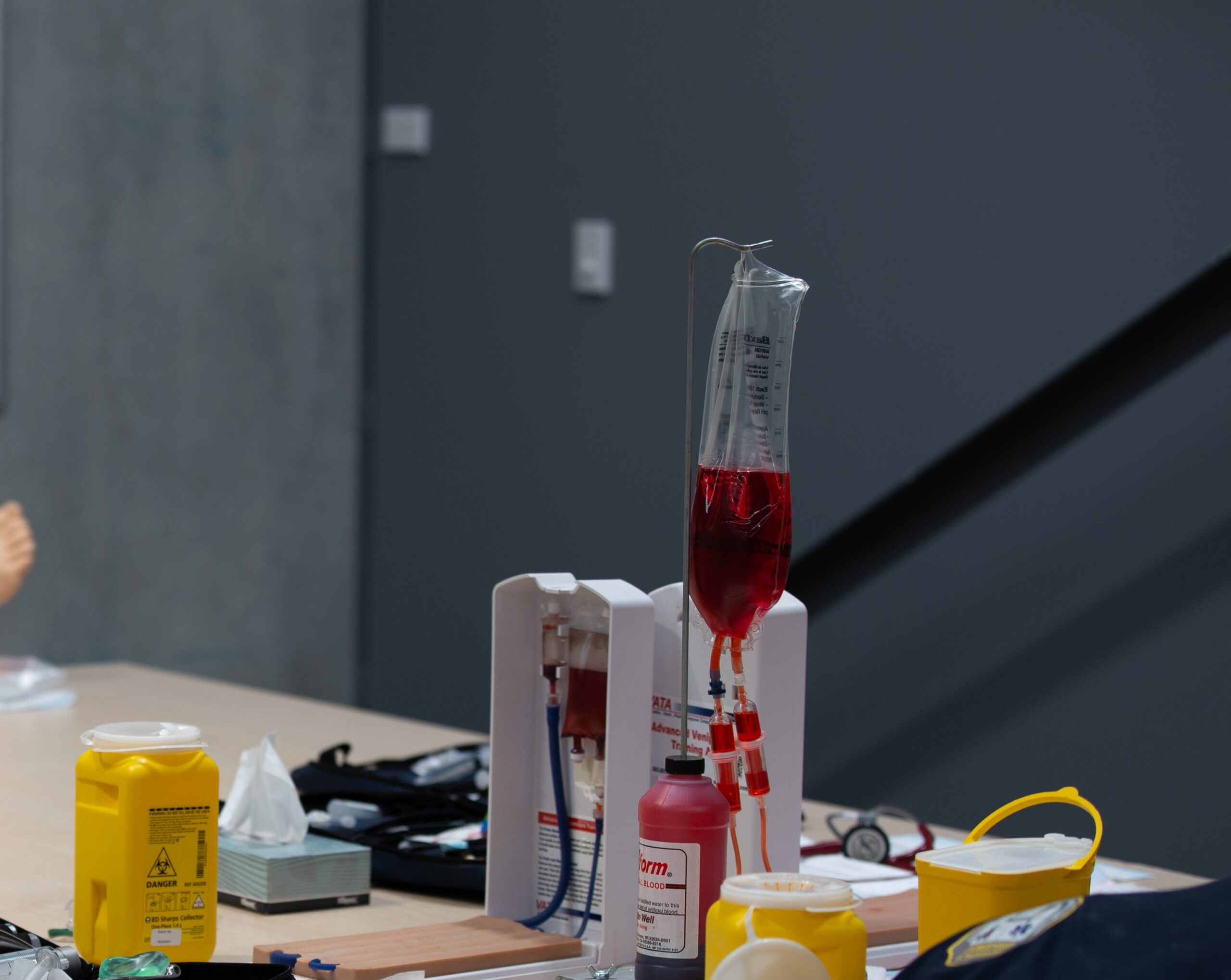
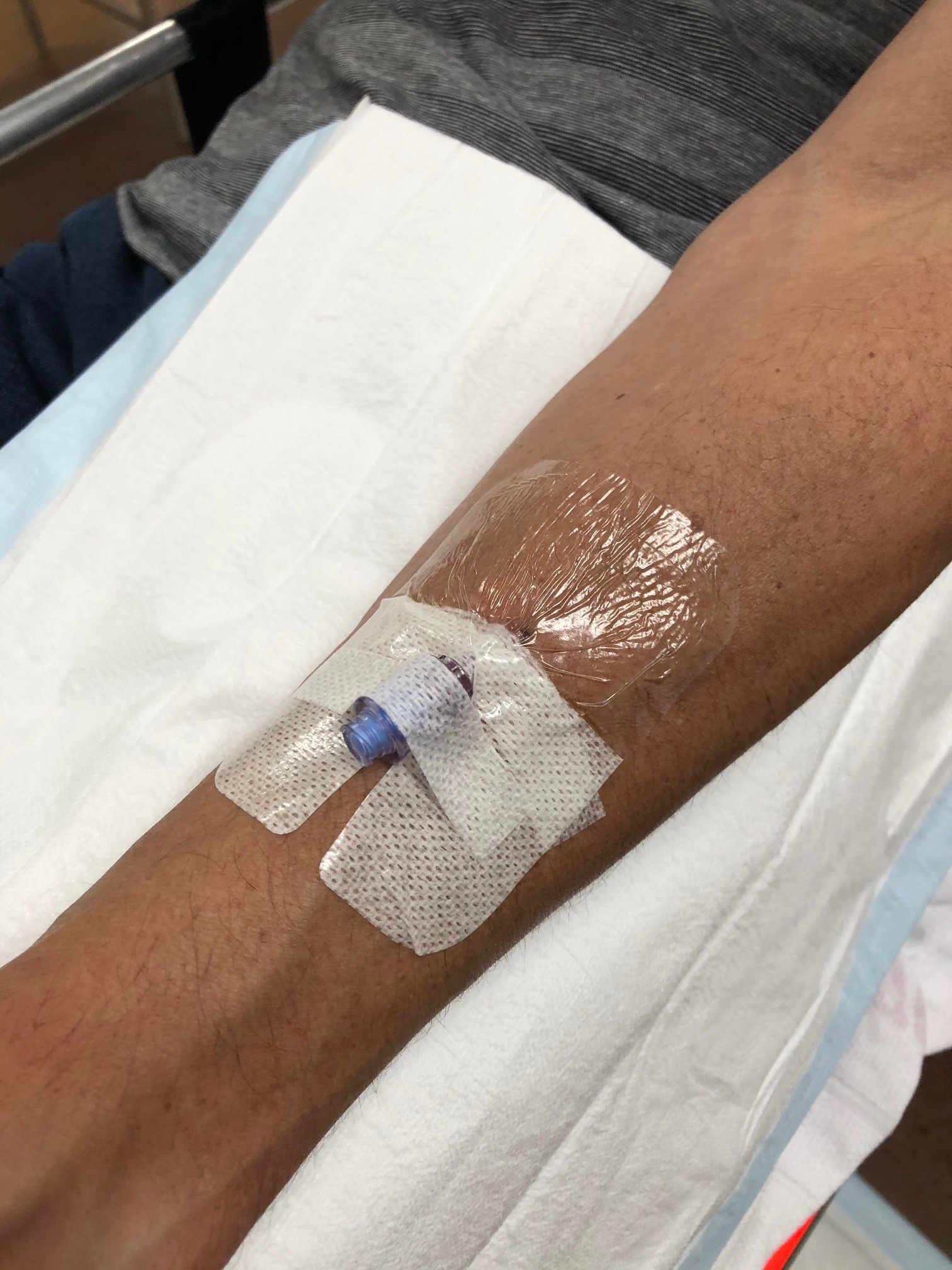
This refresher course is designed for emergency workers and health professionals who are required to maintain competency in peripheral intravenous (IV) cannulation as part of their job role. The training revisits the essential knowledge, technique, and clinical considerations needed to perform IV access safely and effectively in line with current health care procedures and infection control standards.
Participants will revise best-practice preparation, site selection, aseptic technique, insertion method, securing and monitoring the cannula, complication management, and documentation requirements.
This course may contribute towards Continuing Professional Development (CPD) requirements for maintaining clinical registration, subject to individual professional body guidelines.
Learning outcomes
The course includes the review of the following:
- Legislative requirements
- Basic anatomy and physiology of the circulatory system
- First aid relevant to bleeding from peripheral vascular system
- Basic medical terminology used in peripheral vascular cannulation and pathology laboratory
- Client consent and procedure distraction techniques
- Equipment selection and use
- Infection control procedures
- Assembly and preparation of IV cannulation equipment
- Vein identification
- Associated complications and response
- Documentation procedures
- Removal procedures
Entry Requirements
Participants must:
- Participants must be currently working in, or training for, a healthcare role where peripheral intravenous cannulation is within their scope of practice.
- Provide a current Statement of Attainment or USI transcript for HLTHPS009 Perform peripheral intravenous cannulation or equivalent
- Provide photo I.D on entry
- Unless exempt, provide a verifiable USI number
- Be physically fit and healthy with capacity to perform manual tasks
- Be able to read, write, communicate orally, and understand and interpret complex information and situations
- Interact with others and work under pressure
- Dress appropriately i.e., long sleeve, long pants or overalls, safety boots/closed in shoes, safety glasses
Please ensure you read our Student Handbook for further information on our policies, procedures, terms, and program conditions.
SDS is committed to identifying and supporting the language, literacy, numeracy and digital (LLND) needs of all learners. Where required, SDS may conduct an LLND assessment prior to training to determine whether any additional support or reasonable adjustment is needed.
Participants are encouraged to advise the training team at any time if they believe they may require learning support so appropriate arrangements can be made.
Delivery method
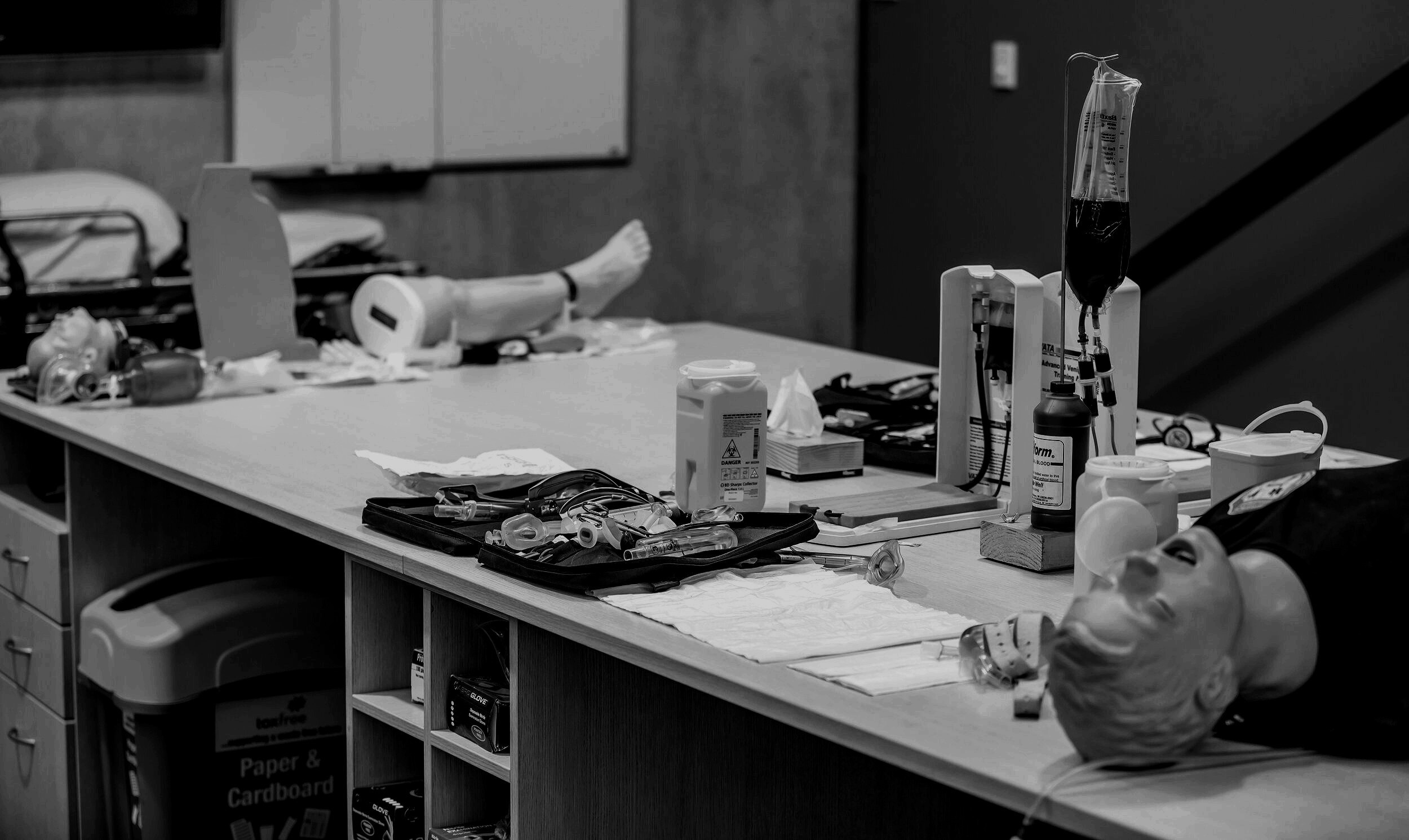
This course is delivered over half a day and consists of classroom-based theory learning with practical based activities.
Assessments
Assessment includes multiple choice and written knowledge assessment and practical based skills assessments.
IMPORTANT INFORMATION – IV Cannulation Practical Assessment
Participants are required to successfully perform peripheral intravenous (IV) cannulation on three (3) different clients as part of the assessment requirements.
If you are not willing or able to act as a client for more than one (1) cannulation, you will need to arrange three (3) individual clients to assist with your practical assessment.
If a participant is unable to successfully complete three (3) IV cannulations during the course, a logbook will be issued for completion post-course. Participants will be required to complete any outstanding cannulations under the supervision of a suitably trained and experienced clinician.
Supervision for post-course cannulations must be conducted by one of the following qualified professionals:
- A Registered Paramedic with a minimum of two (2) years of on-road experience
- A Registered Nurse trained in cannulation
- A Medical Practitioner (Doctor) trained in cannulation
- A Clinician appropriately trained in cannulation
Please note that verification of the supervisor’s qualifications and experience will be required.
To increase the likelihood of a successful cannulation and ease of vein access, please ensure you and/or volunteers are well hydrated prior to your assessment.
Completion
On successful completion participants will receive a nationally recognised Statement of Attainment for:
- HLTHPS009 Perform peripheral intravenous cannulation
Skills maintenance
To ensure your skills and knowledge are maintained it is critical you undertake regular skills maintenance training. Where there is no licence or legislated expiry the industry standard for skills maintenance is every two (2) years.